
Beidu Electronics: Your Strategic Partner in Advanced Electronic Components.
With 15 years of deep-rooted expertise, Beidu Electronics is more than just a manufacturer—we are a technology-driven solution provider. We specialize in high-performance Ceramic Capacitors and Thermistors, utilizing our unique historical technical database to solve complex application challenges with surgical precision.
Our strength lies in customization; we go beyond the shelf to engineer bespoke products for unique customer needs. Additionally, we act as a technical gatekeeper for your supply chain. Through rigorous engineering audits, we source and verify high-value electronic components, ensuring you never have to choose between technical excellence and cost efficiency.
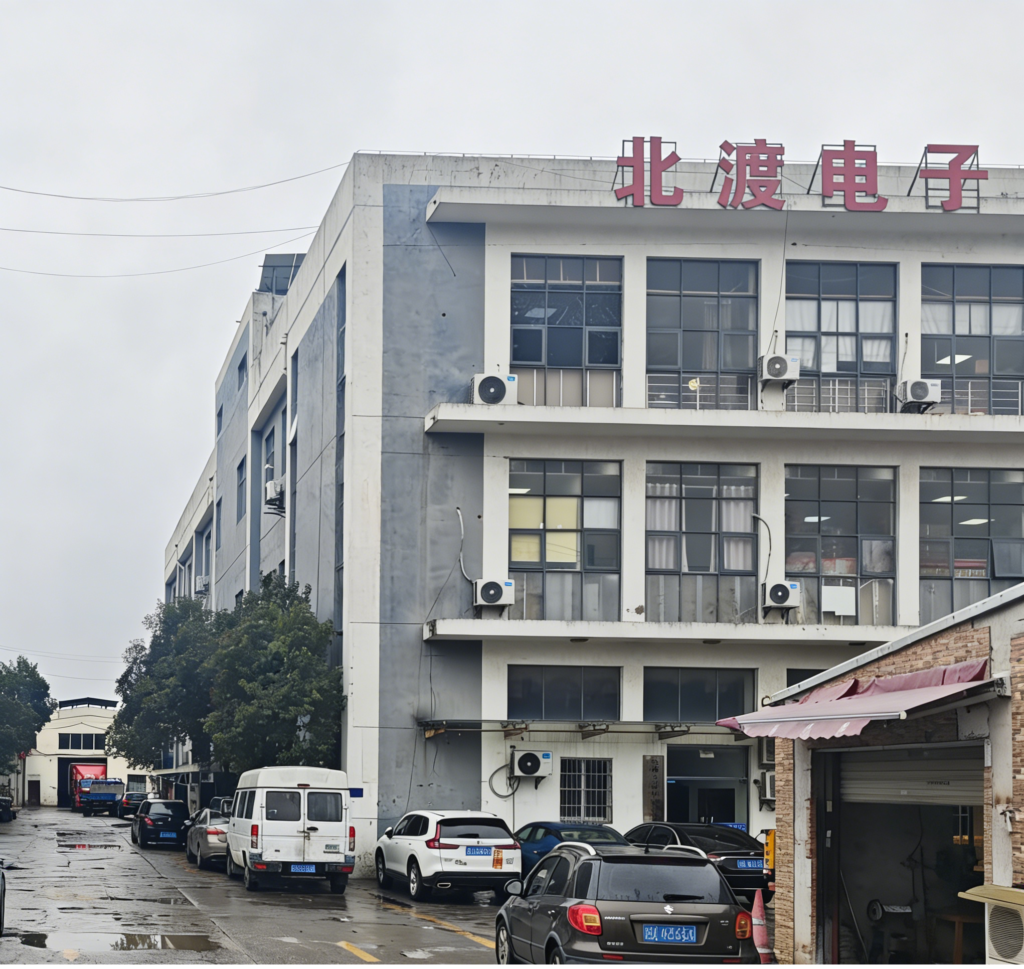
Our Collections
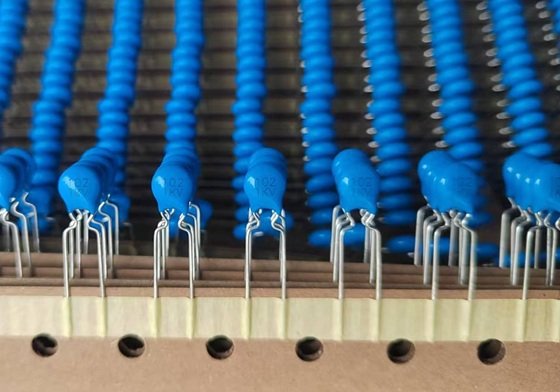
Ceramic Disk Capacitor
1.High Physical Durability (Mechanical Strength).
2.Excellent Heat Dissipation.
Superior Insulation & High Voltage.
3.Ease of Manual Assembly & Repair.
4.Cost-Effective for Power Applications.
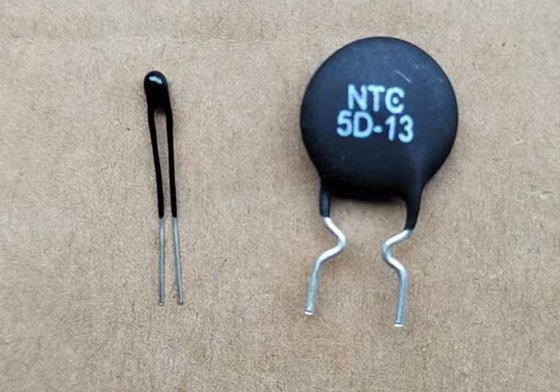
Power NTC Thermistors(Inrush Current Limiter)& AP Thermistor
1.MF72 series in the form of radial resin coated form.
2.Small dimension, powerful,strong in inrush current limiting.
3.Fast response.
4.Large material constant, lower residue resistance.
5.Long life, high reliability.
6.Complete part, wide operation range.
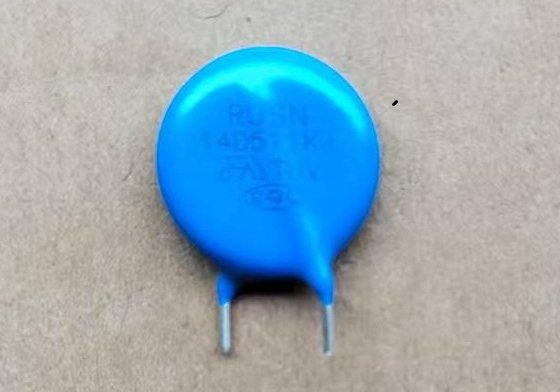
Zinc Oxide Varistor(MOV/ ZNR/ ZOV/ VDR)
1.Fast response to transient overvoltage.
2.High surge current absorption capacity.
3.Stable performance and long service life.
4.Wide operating voltage range.
5.Flame retardant encapsulation, high safety.
RoHS compliant.
Partner Brands
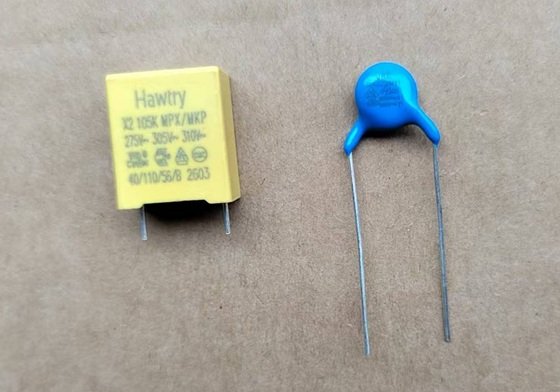
Safety capacitor
1.Complies with IEC, UL, VDE and other international safety certifications.
2.Effectively suppresses EMI and withstands transient overvoltage.
3.Flame-retardant encapsulation for high heat resistance and safety.
4.Long service life with stable capacitance under long-term electrical stress.
5.RoHS & REACH compliant, lead-free and halogen-free.
6.Wide AC/DC operating voltage range with strong versatility.
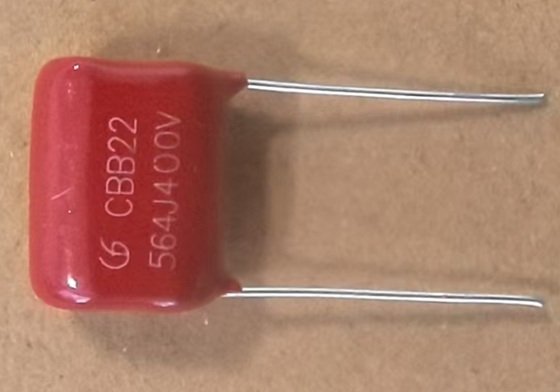
Polypropylene Capacitor
1.Low loss factor and high insulation resistance.
2.Good self-healing, long life.
The flame – assisted epoxy resin is encapsulated with good safety.
3.Capacitance and loss factors are more stable than temperature and frequency.
4.Regular product appearance, one – way lead out structure, installation, easy to use.
5.Small size, light weight, safe and reliable.
6.Has a strong pressure resistance and resistance to external electrical interference.
7.It has excellent self-healing characteristics.
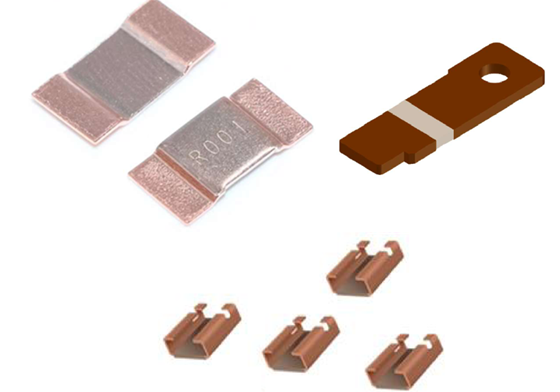
Current Sensing Resistor
1.High precision and stable resistance value.
2.Excellent heat dissipation and high power bearing capacity.
3.Low temperature coefficient, stable performance at different temperatures.
4.Flame-retardant and anti-corrosion package, long service life.
5.AEC-Q200 qualified.
6.RoHS & REACH compliant, lead-free and halogen-free.
FAQ
Copper vs. Silver Electrodes in Ceramic Disk Capacitor and Varistors” for better search rankings.
In the pursuit of cost optimization, the electronic components industry has seen a significant shift toward substituting Silver (Ag) or Silver-Palladium (AgPd) electrodes with Copper (Cu) base metal electrodes (BME). While copper offers high conductivity at a lower price point, 15 years of manufacturing experience at Beidu Electronics has shown that this transition is fraught with technical complexities and supply chain vulnerabilities.
Below, we analyze the two critical dimensions of this industry shift: Technical Integrity and Supply Chain Stability.
I. Technical Hurdles: Why Copper Can Compromise Component Longevity Unlike noble metals like Silver, Copper is highly reactive. Without a mastered manufacturing process, copper electrodes can introduce several latent failure modes in Ceramic Capacitors, Thermistors, and Varistors.
1. Oxidation and Conductivity Loss Copper oxidizes rapidly when exposed to oxygen at high temperatures. During the sintering process, if the atmospheric oxygen level is not controlled with surgical precision, the copper electrode will partially oxidize. This increases the Equivalent Series Resistance (ESR) and leads to excessive heat generation during operation, eventually causing component failure.
2. Ceramic-Metal Interfacial Stress The Coefficient of Thermal Expansion (CTE) of copper differs significantly from that of most ceramic dielectric materials. During thermal cycling—common in automotive and industrial power applications—this mismatch creates internal mechanical stress. Over time, this results in micro-cracks at the electrode-ceramic interface, leading to moisture ingress and insulation resistance (IR) degradation.
3. Migration and Short Circuits Under high humidity and DC bias, copper ions are more prone to migration than stabilized silver alloys. These ions can “grow” through the ceramic grain boundaries, creating conductive paths that lead to catastrophic short circuits—a nightmare for high-reliability applications like BMS or medical devices.
II. The Supply Chain Paradox: The Hidden Cost of “Cheaper” Raw Materials While the market price of copper is lower than silver, the “Copper Transition” introduces a different set of supply chain risks that many buyers overlook.
1. Extreme Market Volatility and Shortages Copper is a Tier-1 industrial commodity tied to global infrastructure, EVs, and green energy power grids. Unlike specialized electronic-grade silver, copper is subject to massive global demand swings. Recent trends show that raw material shortages in high-purity copper powders are becoming more frequent, leading to unpredictable lead times and price hikes that erase any initial cost savings.
2. Process-Related Scarcity Producing copper-compatible ceramic powders requires specialized additives to prevent oxidation. These specific chemical precursors often face supply bottlenecks. When “standard” copper-base materials go out of stock, manufacturers without a deep technical reserve struggle to maintain production, leaving customers with unfulfilled orders.
The Beidu Advantage: Why Our “Problem Database” Matters
At Beidu Electronics (Suzhou) Co., Ltd., we have documented these transitions in our proprietary Solutions Database. We understand exactly where copper substitution fails and where silver remains non-negotiable.
Rigorous Material Screening: We don’t just follow the “low cost” trend. We evaluate the chemical compatibility of electrodes for every custom project.
Dual-Track Stability: By maintaining strong relationships with both noble metal and base metal suppliers, we ensure that our production lines remain active even when specific raw materials face global shortages.
Engineering Oversight: Our team of senior engineers ensures that if a transition to copper is made, it is supported by vacuum-sintering technology and specialized protective plating to neutralize oxidation risks. Conclusion: Cost-saving should never come at the expense of circuit integrity. At Beidu, we provide the technical transparency you need to make the right choice for your application.
Conclusion: Cost-saving should never come at the expense of circuit integrity. At Beidu, we provide the technical transparency you need to make the right choice for your application.
Navigating the Silver Price Surge: Why Switching to Copper Electrode Capacitors Requires Extreme Caution
As silver prices soar,, manufacturers of ceramic capacitors are aggressively switching to copper (Cu) electrodes to cut costs. However, this transition is technically demanding and can lead to reliability failures. Choosing the right copper-based products is critical to avoiding field failures, as issues like oxidation, poor bonding, and metal diffusion can undermine product quality and increase long-term costs.
The Silver Price Crisis and the Copper Rush
With the recent dramatic increase in silver prices, manufacturing costs for traditional silver-electrode (Ag) multilayer ceramic capacitors have surged, squeezing profit margins. To combat this, many manufacturers are rapidly transitioning to base-metal electrodes (BME), specifically copper-based, for cost-reduction initiatives.
While copper offers a compelling cost advantage, it is not a direct “drop-in” replacement for silver. The technical challenges involved in transitioning to copper electrodes are significant.
Common Issues with Improper Copper Electrode Transition
Factories that have rushed the switch to lower-quality or poorly engineered copper electrodes are facing a variety of reliability issues:
Oxidation and Performance Degradation: Unlike silver, copper oxidizes easily, especially during the curing or high-temperature soldering processes. This leads to increased electrical resistance (ESR) and reduced electrical conductivity.
Diffusion and Short Circuits: Copper atoms can diffuse into the ceramic dielectric layer over time, particularly under high-temperature and voltage conditions (HALT testing). This causes degradation of insulation resistance (IR) and can lead to short circuits.
Poor Soldering and Interfacial Failure: Copper electrodes require specialized plating (e.g., Ni/Sn) to ensure solderability. Poorly processed copper terminals can result in weak solder joints, leading to components breaking off during PCB assembly or thermal cycling.
Lower Reliability in Harsh Environments: Capacitors with inferior copper termination, particularly when used in high-humidity or high-voltage applications, are more prone to moisture-induced degradation compared to their silver counterparts.
Technical Recommendations: Choose Wisely
To avoid product recalls and reputation damage, manufacturers must approach the switch to copper-based capacitors with caution:
Rigorous Validation: Ensure that copper-based capacitors undergo thorough reliability testing (e.g., high-temperature load life, moisture resistance, and vibration tests).
Supplier Qualification: Partner with suppliers who have extensive experience in base-metal electrode (BME) technology and a proven track record in manufacturing reliable copper-terminated MLCCs.
Process Compatibility: Review your reflow profile to ensure it is optimized for copper termination, which may differ from the process used for silver-based components.
Conclusion
While the switch to copper electrodes is a necessary move in the face of rising silver prices, it is not without risk. Investing in high-quality, properly engineered copper-based capacitors is essential to maintaining product reliability. Rushing this transition without proper engineering validation is a recipe for field failures.
Why Choose Us

Strategic Hub
Located in the heart of China’s electronics cluster, we leverage Suzhou’s half-hour industrial circle to provide instant access to global giants like Yageo, Uniroyal, and Fenghua. Our proximity ensures zero-day sourcing, factory-direct pricing, and seamless BOM consolidation, drastically reducing your lead times and logistics costs.

Engineering-Driven Customization
“Bespoke Engineering, Not Just Off-the-Shelf”
We leverage 15 years of technical data to move beyond standard parts. We don’t just sell components; we engineer bespoke solutions for your most complex application challenges with surgical precision.

Technical Gatekeeping & Cost Optimization
“Your Technical Gatekeeper in China”
We act as your eyes and ears in the supply chain. Through rigorous engineering audits, we source and verify high-value components, ensuring you achieve technical excellence without the premium price tag.